Divorce Process in Maryland
📅 2026 Update: Changes in Divorce Laws Affecting Maryland
Since the original article was published, several important changes have taken place in divorce laws across the United States. These updates can impact various aspects of the divorce process, including child support, separation requirements, and forms used in divorce cases. The earlier article continues further down the page and provides foundational knowledge on the divorce process in Maryland.
🆕 Changes in Child Support Guidelines
As of March 1, 2026, New York State increased the combined income cap under the Child Support Standards Act from $183,000 to $193,000. This change affects how child support is calculated and may have implications for residents of Maryland who have connections to New York.
- 📈 Income Cap Increase: The income cap for maintenance payors under the Maintenance Guidelines Act also rose from $228,000 to $241,000.
❌ D.C. Separation Requirement Removed
In Washington, D.C., a significant change took place in January 2024. The previous separation period requirement was eliminated.
- 🚪 Filing for Divorce: Now, either spouse can file for divorce simply by stating they no longer wish to be married. This change can speed up the process for couples in Maryland who may be considering divorce.
🤝 Joint Petition in California
Starting January 1, 2026, California introduced Senate Bill No. 1427. This allows spouses to file a joint petition for dissolution of marriage.
- 📝 Simplified Process: Both parties are considered to have appeared in the matter upon filing. While this change is specific to California, it reflects a trend towards simplifying divorce procedures.
🚫 Abolishment of Defenses in Florida
In Florida, as of 2026, several defenses to divorce and legal separation have been abolished.
- ⚖️ No More Condonation or Collusion: This change may influence how divorce cases are handled in states like Maryland, where similar defenses could be argued.
📌 Key Updates to Note
- 🗓️ New York's income cap for child support has increased.
- 🚪 D.C. allows spouses to file for divorce without a separation period.
- 📝 California permits joint petitions for divorce.
- ⚖️ Florida has abolished specific defenses to divorce.
💡 Tips for Navigating Divorce in Maryland
Reviewing your situation with an attorney is essential to understand your specific needs during the divorce process.
🏠 Understand Property Division
Maryland follows the principle of equitable distribution. This means that marital property is divided fairly, but not necessarily equally. Knowing how this works can help you prepare for negotiations.
👶 Focus on Child Custody
If children are involved, custody arrangements will be a major concern. Maryland courts prioritize the child's best interests, so be prepared to discuss parenting plans and living arrangements.
💰 Consider Child Support
Child support calculations in Maryland depend on both parents' incomes and the needs of the child. Understanding the guidelines will help you determine what to expect in terms of payments.
🕒 Prepare for Alimony Discussions
Alimony may be awarded based on various factors, including the length of the marriage and financial needs. Be ready to discuss your financial situation openly.
📜 Keep Updated on Legal Forms
Make sure to use the latest legal forms for divorce proceedings in Maryland. Check for any revisions or updates to ensure compliance with current laws.
🧾 Document Everything
Keep detailed records of all financial documents, communications, and agreements. Having thorough documentation will support your case and clarify your financial situation.
🏆 Free Options Ranked by User Reviews (2026)
No national paid services met the review threshold for this topic, so this section highlights free government and nonprofit resources available to help with divorce-related issues in Maryland.
🥇 1. Maryland Legal Aid
Maryland Legal Aid provides free legal assistance to low-income individuals facing civil legal issues, including divorce. Their services include legal advice, representation, and education on the divorce process.
- 📞 Who It Helps: This resource targets residents who cannot afford private legal counsel, ensuring access to necessary legal support.
🥈 2. Maryland Courts Self-Help Center
The Maryland Courts Self-Help Center offers resources and information for individuals navigating the court system without an attorney.
- 📚 What It Provides: Visitors can find forms, instructions, and guidance on how to handle their divorce cases effectively.
🥉 3. Family Law Assistance Program
This program is designed to assist families in Maryland with legal issues related to family law, including divorce and child custody.
- 👨👩👧 Focus on Families: It offers workshops, resources, and sometimes legal representation for qualifying individuals.
4️⃣ 211 Maryland
211 Maryland is a statewide resource providing information on various services, including legal assistance.
- 📞 Access to Information: Callers can get referrals to local legal aid organizations and other support services related to divorce.
🔎 Before Paying for Help with Divorce
- 💡 Research any service thoroughly.
- 🧾 Check reviews and ratings from users.
- 📞 Verify the organization's credentials.
- 🏢 Ensure they are nonprofit or government-funded.
❓ Frequently Asked Questions
❓ What is the typical timeline for a divorce in Maryland?
The timeline for a divorce can vary widely based on the complexity of the case. An uncontested divorce may take a few months, while contested divorces can take longer.
💔 How is child custody determined in Maryland?
Child custody is determined based on the child's best interests. Factors include the child's age, the parents' living situations, and each parent's ability to provide care.
📑 What documents are needed to file for divorce in Maryland?
To file for divorce, you typically need a completed complaint, a civil cover sheet, and any other required forms specific to your case, such as financial statements.
⏳ Can I speed up the divorce process?
While certain factors can delay a divorce, such as disputes over child custody or property, being cooperative and submitting all necessary paperwork quickly can help speed up the process.
🏛️ Are there mediation options available in Maryland?
Yes, Maryland courts encourage mediation for resolving disputes during divorce. This can help both parties reach an agreement without going to trial.
👨⚖️ What if my spouse lives in another state?
If your spouse lives in another state, you may still file for divorce in Maryland if you meet residency requirements. However, jurisdiction issues may arise regarding child custody or support.
⚖️ Recent Court Cases Related to Divorce in Maryland
Recent court rulings have clarified various aspects of divorce, including child custody and property division. These decisions can inform how cases are handled moving forward.
- Court affirms spousal support ruling in Thornburgh divorce caseSupreme Court of The Commonwealth of The Northern Mariana Islands · November 24, 1997
- Court rules on paternity and property claims in Tudela estateSupreme Court of The Commonwealth of The Northern Mariana Islands · June 16, 1993
- Ohio Court affirms custody ruling for children to step-auntOhio Court of Appeals · October 16, 2026
- Ohio court upholds spousal support ruling in Moore caseOhio Court of Appeals · October 16, 2026
For more insights, readers can browse more rulings on the news page.
End of October 2026 Update
Guide to the Divorce Process in Maryland
If you are divorcing in Maryland, you may be confused about the exact steps involved in the divorce process. There is a lot of jargon associated with the divorce process in Maryland, but the steps in divorce are actually fairly simple once they're broken down a bit. This guide can explain the process simply so that you can find out more information with your local court or a Maryland divorce lawyer.
Complaint and Response
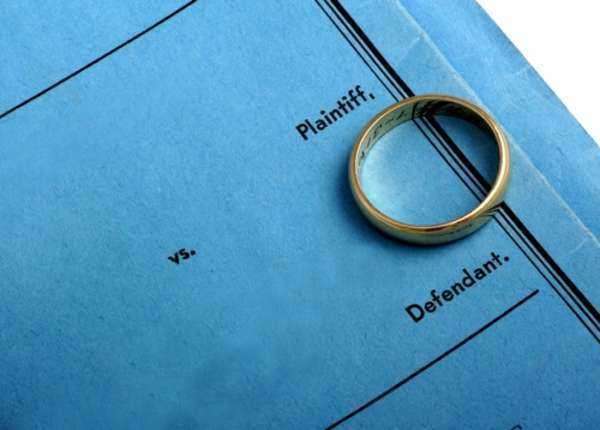
The divorce process in Maryland begins when one spouse files a divorce complaint. The spouse filing the complaint is called the “plaintiff.” The complaint will contain grounds for divorce—most cases today use no-fault grounds—and the terms that the plaintiff is seeking. This process of listing terms is called seeking relief.
These terms will always include the divorce itself (which, in almost all cases, is what's called an “absolute divorce”) and an equitable division of marital property. If you have minor children, child custody or visitation terms may also be demanded in the complaint.
The complaint will be served to the other spouse (the “defendant”). The defendant spouse then will have to file a response that makes any counterclaims or requests any different relief.
Discovery
The discovery process is one of mutual investigation by spouses or their attorneys. This can be the longest part of the divorce process in Maryland for spouses with complicated finances. Discovery is also a time when judges may recommend that you enter into negotiation with your spouse about any issues you have not yet been able to agree on.
You may also have to have a guardian ad litem appointed for your children if the court rules it is in their best interest. Guardians ad litem act as a representative for your child during a divorce, and will be important in negotiating custody and visitation arrangements.
Mediation and Settlement
Some judges will require you to attend mediation to attempt to negotiate a divorce settlement. A settlement can be both cheaper and emotionally easier than a long, drawn-out trial, so trying to use this shortcut in the divorce process in Maryland may make it easier for you to move on after a divorce.
Divorce settlements can only be complete if you and your spouse can agree on everything, including child custody and visitation, the division of your property, and spousal support (also called alimony). A trained mediator can help you to come to an agreement that both spouses find fair.
Trial
Trials can be expensive and difficult for both spouses and their children. This part of the divorce process brings both spouses and their lawyers to a courtroom to explain their side and the remaining disagreements between the spouses. Evidence will be brought in, and expert witnesses may be used to bolster the cases of each party.
After the arguments in favor of both sides have been heard, the judge will issue a final judgment about the divorce. Your divorce is not final until the judgment has been entered or a settlement has been approved by the court.