Uncontested Divorce Connecticut
📅 2026 Update: Changes in Uncontested Divorce in Connecticut
Since the original article on uncontested divorce in Connecticut was published, several important updates have emerged. These changes impact the divorce process, including fault grounds and common causes of divorce. The earlier article continues further down the page for more detailed information.
🗂️ Adultery and Divorce
As of October 2026, adultery remains a recognized fault ground for divorce in many U.S. states, including Connecticut. Proving adultery can affect decisions around alimony and property division. This means that if one spouse can show that the other was unfaithful, it may influence the divorce settlement.
⚖️ No-Fault Divorce Updates
No-fault divorce laws allow couples to end their marriage without assigning blame. As of October 2026, all states offer some form of no-fault divorce. Couples can cite irreconcilable differences as the reason for their divorce, which simplifies the process and may lead to quicker resolutions.
💔 Common Causes of Divorce
The common causes of divorce have remained consistent, with financial conflicts, parenting disagreements, and communication breakdowns being primary factors. Couples should be aware that these issues can lead to emotional and financial stress during the divorce process.
📜 Legal Options for Divorce
The legal landscape for divorce continues to evolve. As of October 2026, couples can also consider collaborative law divorce, which encourages negotiation without court involvement. This approach may be suitable for those seeking an amicable resolution, especially in uncontested cases.
📌 Key Takeaways
- Adultery can impact divorce settlements.
- All states now offer no-fault divorce options.
- Common causes include financial and communication issues.
- Collaborative law divorce may offer a peaceful resolution.
- Understanding these changes can help couples navigate divorce better.
💡 Tips for Navigating an Uncontested Divorce
Reviewing your specific situation with an attorney is crucial to understanding your options and rights.
📝 Understand Your State's Laws
Each state has its laws governing divorce. Familiarizing yourself with Connecticut’s specific rules will help you understand the process better and prepare for any requirements.
💬 Communicate Openly
Honest communication with your spouse is essential. Discussing important issues like property division and child custody can lead to a smoother uncontested divorce process.
📑 Gather Necessary Documents
Collect all required documents, such as financial statements and property records. Having these ready can expedite the divorce process and help in negotiations.
💰 Consider Financial Implications
Be aware of how divorce can impact your finances. Understanding alimony and child support obligations will help you plan for your financial future post-divorce.
💖 Focus on the Future
While the divorce process can be challenging, keeping a positive outlook on the future can help ease emotional stress. Consider discussing plans for co-parenting or personal goals after the divorce.
🏆 Top Services for Uncontested Divorce Ranked by User Reviews (2026)
The services listed here provide various options for managing divorce proceedings, including document preparation and online support. Their rankings are based on Trustpilot data from October 2026, which may change over time. Remember, star ratings are just one measure; customer experiences can vary widely.
🥇 1. 3StepDivorce
3StepDivorce has been rated 4.6. It is known for offering online divorce services and child custody management tools. However, it requires mutual agreement between spouses to use its services, which may not be suitable for all couples.
🥈 2. DivorceWriter
DivorceWriter holds a 4.4 rating. The service is recognized for its affordable divorce document preparation with flat fee pricing. A caveat is that it has limited customer support and is not available in Missouri, which may affect some users.
🥉 3. CompleteCase
CompleteCase averages a 4.0 rating. It is known for its user-friendly interface and online divorce services. However, it does have subscription fees after 30 days and limited customer support, which users should consider.
4️⃣ Online Divorce
Online Divorce has a Trustpilot score of 3.8. This service is recognized for its low base price for online divorce services. It also has subscription charges after 30 days, and reviews are mixed, indicating varied user experiences.
🆓 Free Government and Nonprofit Resources
There may be free government and nonprofit resources available for divorce in Connecticut. These options can offer assistance with paperwork and guidance, making the process more accessible for those who may not wish to pay for services.
🔎 Factors to Compare When Choosing a Divorce Service
- 💲 Cost and pricing structure
- 📞 Availability of customer support
- 📝 Range of services offered
- 📊 User reviews and ratings
- ⏳ Processing times for documents
❓ Frequently Asked Questions
❓ What if my spouse doesn't agree to an uncontested divorce?
If your spouse does not agree, you may need to pursue a contested divorce, which can be longer and more complex. This involves more negotiations and potentially court appearances.
🏡 How is property divided in an uncontested divorce?
In an uncontested divorce, property division is typically agreed upon by both parties. Connecticut follows equitable distribution laws, meaning property is divided fairly but not necessarily equally.
👶 How does child custody work in an uncontested divorce?
Child custody arrangements in an uncontested divorce are also agreed upon by both parents. It is essential to create a parenting plan that addresses custody and visitation to ensure the child's best interests.
📄 What documents do I need for an uncontested divorce?
You will generally need financial statements, marriage certificates, and any agreements regarding child custody or property division. Having these documents ready can streamline the process.
⏳ Can I speed up the divorce process?
You can expedite the process by being organized, communicating openly with your spouse, and promptly completing necessary paperwork. Utilizing online services may also help speed things along.
🔄 What happens after the divorce is finalized?
Once the divorce is finalized, you will need to comply with any agreements related to alimony, child support, or property division. It’s also important to update your financial and legal documents to reflect your new status.
⚖️ Recent Court Rulings in Divorce Cases
Several recent court rulings have impacted divorce proceedings, particularly regarding custody and property division. These cases highlight ongoing legal interpretations that can shape how uncontested divorces are handled in Connecticut and beyond.
- Georgia Court Reverses Child Support Contempt RulingCourt of Appeals of Georgia · October 1, 2026
- Court rules on digital evidence in divorce case Osman v. PelofiAppellate Division of the Supreme Court of the State of New York · October 1, 2026
- Texas court affirms divorce decree in property division caseTexas Court of Appeals, 9th District (Beaumont) · October 1, 2026
- Texas court affirms divorce decree on child residency rightsTexas Court of Appeals, 9th District (Beaumont) · October 1, 2026
For more insights on recent rulings, feel free to browse more rulings on the news page.
End of October 2026 Update
How to Get an Uncontested Divorce Connecticut
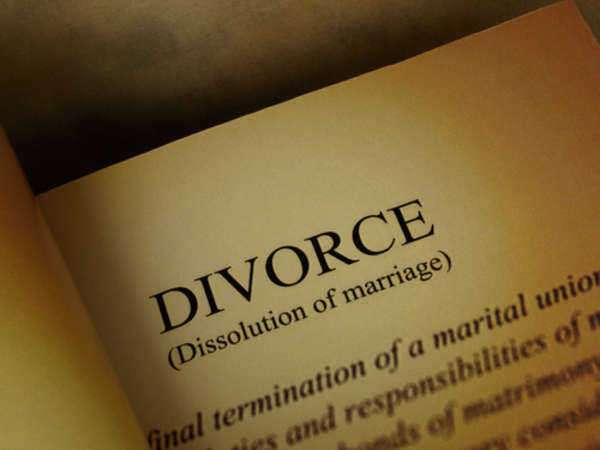
Getting a divorce is an important decision that is in the best interest of many individuals who should be proud of their choice, even if in the short term it means quite a bit of pain. It should come as no surprise that the legal procedures for getting divorced only add annoyance on top of your hurt. Even an uncontested divorce Connecticut, in which both parties agree to all the terms of divorce, can be difficult, which means that you should familiarize yourself with the entirety of the court process before filing for uncontested divorce Connecticut.
Filing the Initial Forms for an Uncontested Divorce Connecticut
In order to begin the process of getting an uncontested divorce Connecticut, you will need to complete a Summons Family Action (Form JD-FM-3) This will be given to your spouse to notify them of that an uncontested divorce Connecticut is being obtained, though they should be aware of this already. You will sign this in front of the court clerk, and you should bring photo identification to ensure that the clerk is sure that it is using filing the petition. At this type, you will also schedule a Return Date, which must be a Tuesday at least four weeks in the future.
There are many more forms that still need to be filed before you are finished obtaining an uncontested divorce Connecticut. Most important is the Divorce Complaint (Form JD-FM-159) which formally asks the judge to end your marriage. Other considerations such as alimony and child custody should be mentioned in the Divorce Complaint as well. Attached to the Uncontested Divorce Connecticut Complaint will be a Notice of Automatic Court Orders (JD-FM-165), which prevents you and your spouse from making major financial changes prior to the divorce being finalized.
You will also need to pay a $225 filing fee, either in cash, or with a money order or a personal check written out to “Clerk, Superior Court.”
The Respondent, which is the person who is not the petitioner, will then be asked to respond to the original Summons. They will file an Appearance, giving them notification of all further court dates including the Return date. They can also file an Answer (Form JD-FM-160) which can state the Respondent’s position to the original complaint (theoretically positive considering this is an uncontested divorce Connecticut).
Later Forms and Actions for an Uncontested Divorce Connecticut
After the Return date, there will still be a 90-day waiting period before any divorce can be finalized. During this time, the most important job will be to draft the Divorce Agreement (Form JD-FM-172) which stipulates the exact terms of property division and child custody.
Since this is an uncontested divorce Connecticut, you will also need to file a Case Management Agreement (Form JD-FM-163). It asserts that both parties agree on the issues and schedules a final divorce hearing, when a judge will sign the divorce agreement and activate it.