Court Overview
📅 2026 Update: Changes in Divorce and Child Support Laws
Since the article was written, several important changes have occurred in the areas of divorce, child support, and related family law topics. These updates reflect new laws and guidelines that can significantly affect parents and families navigating these issues. You can find the original article further down on this page.
🏛️ Georgia Child Support Guidelines Overhaul
In Georgia, a major update to child support guidelines has taken place. Senate Bill 454 was signed into law on May 6, 2024. The first phase of these changes took effect on July 1, 2024, updating the Basic Child Support Obligation Table for the first time since 2006.
The second phase started on January 1, 2026, replacing discretionary deviations for low-income parents and parenting time with formula-based adjustments.
💼 Florida Child Support Intercept
Florida has introduced a new law that allows the interception of unemployment benefits to meet child support obligations. As of 2024, if a parent is receiving unemployment compensation, these benefits can be garnished to fulfill their child support payments. This law aims to ensure that children receive the financial support they need, even during tough economic times.
📅 Child Support Forms Availability
Each state continues to provide specific forms needed for establishing, modifying, and enforcing child support orders. Parents can find these forms through their state child support agencies or official websites. For instance, California offers a child support calculator along with various related forms, making it easier for parents to navigate the system.
⏳ Processing Times for Payments
Processing times for child support payments can differ from state to state. In California, for example, payments are usually disbursed on the 4th business day after they are received. It is essential for parents to understand these timelines to ensure timely support for their children.
📌 Key Takeaways
- ⚖️ Georgia updated child support guidelines with new formula-based adjustments.
- 💵 Florida allows unemployment benefits to be garnished for child support.
- 📝 States provide specific forms for child support processes.
- ⏱️ Payment processing times vary; California disburses payments on the 4th business day.
💡 Tips for Navigating Child Support Issues
Review the details of your situation carefully with your attorney.
📄 Understand State-Specific Guidelines
Each state has its own laws and guidelines regarding child support. Familiarizing yourself with your state’s specific rules can help in understanding what to expect in your situation.
📝 Gather Necessary Documentation
When establishing or modifying child support, gather all relevant documents. This includes income statements, tax returns, and any existing court orders. Proper documentation is crucial for a smooth process.
👨👩👧 Know the Emancipation Age
Understanding when child support obligations end in your state is important. For example, in California, support typically ends when the child turns 18, or if still in high school, at 19 or upon graduation.
⏳ Be Aware of Modification Deadlines
If circumstances change, such as job loss or increased income, you may need to modify your child support order. Be aware of your state’s deadlines for filing modifications to ensure you remain compliant.
🗣️ Utilize State Child Support Agencies
Each state has agencies that offer free assistance for establishing and modifying child support orders. These agencies can guide you through the necessary forms and processes.
🏆 Free Options Ranked by User Reviews (2026)
No national paid services have met the review threshold for this area. Instead, here are free government and nonprofit resources to assist with child support issues.
🥇 1. State Child Support Agency
Every state has a child support agency dedicated to helping parents. They provide resources, forms, and guidance for establishing, modifying, and enforcing child support orders. This service is free and aims to ensure that children receive the financial support they need.
🥈 2. California Department of Child Support Services
The California Department of Child Support Services offers extensive support services. They assist parents in navigating the child support system, providing calculators and forms online, which makes the process more manageable for families.
🥉 3. Local Family Law Clinics
Many areas have local family law clinics that offer free legal advice and assistance regarding child support issues. These clinics can help parents understand their rights and responsibilities under the law.
4️⃣ Nonprofit Legal Aid Organizations
Various nonprofit legal aid organizations provide free assistance with family law matters, including child support. They help low-income families navigate the complexities of child support laws.
🔍 What to Check Before Paying for Help
- ❗ Verify the service's reputation and reviews.
- 📄 Ensure they are transparent about costs and fees.
- 🤝 Confirm their qualifications and experience in family law.
- 📞 Ask about the services they provide and how they can assist you.
❓ Frequently Asked Questions
🤔 What are the child support calculation models used in different states?
States use various models for calculating child support, including the Income Shares Model, Percentage of Income Model, and Melson Formula. Each model has its own method for determining support amounts based on parental income and needs.
📅 How often are child support guidelines reviewed?
Under federal law, each state must review its child support guidelines at least once every four years. This review ensures that guidelines remain relevant and fair for families.
🔄 Can child support orders be modified?
Yes, child support orders can be modified if there is a substantial change in circumstances. Parents must file a petition with the court or child support agency to initiate this process.
📬 How can I find child support forms in my state?
Child support forms can typically be found on your state’s child support agency website. These forms are designed for establishing, modifying, and enforcing child support orders.
📆 What is the disbursement schedule for child support payments?
The disbursement schedule for child support payments varies by state. For example, in California, payments are usually disbursed on the 4th business day after they are received.
🏫 What happens when a child turns 18?
The age at which child support obligations terminate varies by state. In many states, support ends when the child turns 18 or graduates from high school, whichever comes later.
⚖️ Recent Court Cases Related to Child Support
Recent court rulings have influenced child support laws and practices in various states. These rulings can impact how child support is calculated, enforced, and modified in different circumstances.
- Texas Court Affirms Common-Law Marriage in Divorce CaseTexas Court of Appeals, 9th District (Beaumont) · July 23, 2026
- Florida court rules on paternity testing in support caseDistrict Court of Appeal of Florida · July 24, 2026
- Court upholds order for legal fees in custody dispute caseAppellate Division of the Supreme Court of the State of New York · July 24, 2026
- New York court dismisses custody appeal in Gabriel M.R. caseAppellate Division of the Supreme Court of the State of New York · July 24, 2026
You can browse more rulings on the news page for additional updates on child support cases and related legal matters.
End of October 2026 Update
Background
When a couple needs to arrange child support payment, they will almost always find themselves in family court. Even couples who can come to their own agreement on child support issues, should go before the judge to turn their agreement into a court order. If there are any problems down the road, the court order makes it easier to have legal recourse.
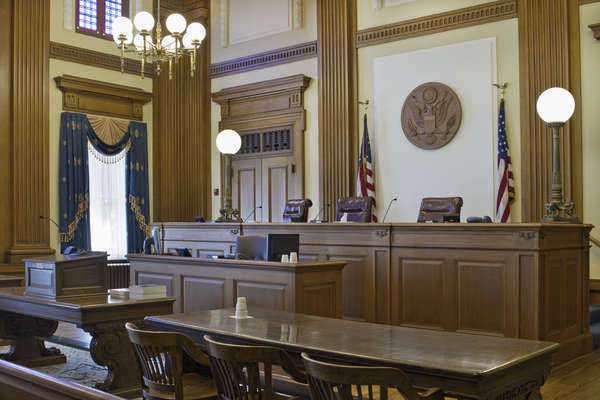
If a couple cannot come to their own child support agreement, they will have to go to a family court so that a judge can decide on the amount of money that each child support payment will be. There are different guidelines that the judges must follow based on various state laws. Each state varies in their rules and regulations regarding child support, and one is responsible to research specific rules for their state.
Legal Representation
Since child support laws vary drastically by state, one may wish to seek legal representation when they are making child support arrangements with their former partner. Legal representation can help one understand the process of figuring out issues regarding child support. There are many times when an individual is not able to afford legal representation. Unlike in a criminal case, a person is not automatically entitled to have an attorney.
Therefore, none will be provided if they cannot afford one. Some lawyers offer a free consultation; this may help an individual. A lawyer that specializes in family issues is very likely to have a full understanding of the state child support laws that will affect one's child support case. Lawyers can be expensive and one should be sure to get an estimate of what having one could cost. If the parents are willing to work with each other, then legal representation will probably be unnecessary. However, going to a family court to get the agreement turned into a court order is always recommended.
Part of a Divorce Settlement
When a couple with children is married and facing a divorce, there are many issues that need to be worked out. Child support is one of them. A divorce settlement is a written document of the basic negotiations of a couple's divorce. The divorce decree may include things like the division of property and if applicable, issues regarding alimony. Any child support agreement is also usually included in a couple's divorce decree, along with issues regarding custody and a visitation schedule.
The divorce decree will usually state the amount of each child support payment, as well as the dates that they are to be paid. A custodial parent may receive child support payments on a monthly basis or a weekly basis. Other issues should also be worked out in the divorce decree regarding child support. One example is a plan for each parent's contribution to their child's educational expenses.
Filing Motion
Before either parent wishes to settle issues involving child support, they must file a motion through their local family court. Couples in the middle of a divorce may find themselves in need of temporary payments until an agreement can be reached. Filing a child support Pendente lite is one of the steps needed to attain the temporary payments, as well as filing an order to show cause.
The order is to prove that the temporary payments are different. While filing for these things is only the first step, these motions will lead to a final child support agreement, whether or not the couple was married. The temporary payments may be very different than the final judgement that the family court grants to the custodial parent. The final outcome will be decided at the end of the case. Motions can also be filed to modify child support agreements, depending on one's situation.
Forms
The forms that one must file in family court depend on the state in which on resides. Every issue regarding child support must be looked into, due to the differing state laws. The Application for Child Support Services is one of the first forms needed when an individual is beginning their child support case. While this is somewhat different then the temporary support order that some request, it makes the child support case move along quicker.
One can file an application for paternity at the same time, if needed. Most of the couples that need to file an acknowledgment for paternity are not married. Any forms that an individual needs can be obtained at their family courthouse. They can also be downloaded off of official family court websites and these forms must be filled out. They can be mailed in or brought in person, however, since original signatures are often needed, faxes are not usually admissible.