Divorce Decree
📅 2026 Update: Changes to Divorce Decrees and Related Laws
Since the original article was published, several significant changes have occurred in divorce laws and processes across various states. These changes could affect how divorces are managed, child support is calculated, and records are accessed. The details outlined below are important for anyone navigating divorce or separation.
The earlier article continues further down the page.
🗂️ New York State Developments
Effective March 1, 2026, New York State has revised its forms for matrimonial actions in Supreme Court. This update raises the combined income cap under the Child Support Standards Act from $183,000 to $193,000. It also increases the income cap of the maintenance payor under the Maintenance Guidelines Act from $228,000 to $241,000.
These changes may impact how child support and maintenance are calculated in divorce cases.
📜 Maryland's New Record Regulations
In Maryland, a new law, House Bill 0403, took effect on October 1, 2026. This law requires custodians to deny inspection of certain records related to divorce proceedings. However, it also mandates the release of specific records to eligible applicants under certain circumstances.
This could change how individuals access divorce records in the state.
🗒️ Virginia's Reporting Requirements
As of October 18, 2026, Virginia has implemented a new regulation under Section 32.1-268 of the Code of Virginia. This law requires clerks of court to certify and file reports of final decrees of divorce or annulment with the State Registrar. These reports must include details such as the age of the parties involved and the number of minor children.
This aims to streamline record-keeping for divorces in the state.
💵 Current Fees for Divorce Records
As of October 2026, fees for obtaining certified copies of divorce records have been updated in several states. In New York, the fee is $30.00 per copy. Texas charges $22.00, while California's fee is $18.00.
In Oregon, the initial search fee is $25.00, with additional copies costing the same. Kansas charges $20.00 for the first copy and the same for each additional copy requested at the same time.
📌 Key Takeaways
- New York's income caps for child support and maintenance have increased.
- Maryland restricts access to some divorce records.
- Virginia requires clerks to report divorce decrees to the State Registrar.
- Fees for divorce records vary by state, with New York at $30.00, Texas at $22.00, and California at $18.00.
💡 Tips for Navigating Divorce Situations
Review your unique situation with an attorney to ensure you understand all legal implications.
📝 Understand New York's Income Caps
Familiarize yourself with the updated income caps in New York. These changes can affect how much support you may pay or receive.
🔍 Research Maryland's Record Access Rules
If you're in Maryland, know the new rules regarding record access. This may limit your ability to view certain divorce documents.
📊 Keep Track of Virginia's Reporting Changes
In Virginia, be aware of the new reporting requirements for divorce decrees. This information is essential for future reference and record-keeping.
💵 Budget for Divorce Record Fees
Plan for the costs associated with obtaining divorce records. Fees differ by state, so check the current rates for your location.
📞 Utilize Free Resources
Consider using free government resources for obtaining divorce records. Many states offer helpful information through their health departments or court systems.
🗣️ Stay Informed on Legal Changes
Stay updated on any upcoming changes in divorce laws. Laws can change frequently, impacting your legal rights and responsibilities.
🏆 Top Services for Divorce Assistance Ranked by User Reviews (2026)
This section presents services that assist with divorce-related needs, such as document preparation and legal guidance. The ratings and reviews are based on Trustpilot data as of October 2026. Ratings can fluctuate, and unhappy customers may leave more reviews, so consider these ratings as one of many factors.
🥇 1. Rocket Lawyer
Rocket Lawyer has been rated 4.5. This service is known for its legal document creation and affordable legal services. Users appreciate the ease of creating legal documents tailored to their needs.
However, some users note that the subscription model may not suit everyone, and there have been reports of unexpected charges.
🥈 2. LegalZoom
LegalZoom holds a 4.6 rating. It is recognized for its comprehensive legal services and business formation assistance. Many users find it helpful for various legal needs, including divorce.
Some reviewers, however, report delays in service and occasional issues with customer support, which could affect the overall experience.
🥉 3. CompleteCase Online Divorce
CompleteCase Online Divorce has received a 4.0 rating. It specializes in uncontested divorce services and offers affordable legal assistance. Users often appreciate the user-friendly interface for completing divorce paperwork.
However, some have experienced issues with customer support and processing delays, which could be a concern for urgent cases.
4️⃣ 3StepDivorce
3StepDivorce has an average rating of 2.6. It is known for online divorce form preparation and state-specific divorce documents. While it provides a straightforward way to prepare documents, many users report delays in customer support responses and problems with form accuracy.
These factors can be critical during the divorce process.
🆓 Free Government Assistance
Many states provide free options for obtaining divorce records and assistance. For example, the New York State Department of Health offers online ordering for divorce certificates. Similarly, the California Department of Public Health maintains records for certain years, and other states like Oregon and Kansas provide vital records information at no cost.
🔎 Considerations When Choosing Divorce Services
- 📜 Review the service's document preparation options.
- 🕰️ Check the estimated processing times for your documents.
- 💬 Look at customer service ratings and feedback.
- 💰 Compare the fees associated with obtaining records.
- 📑 Verify the types of records and services offered.
❓ Frequently Asked Questions
❓ What should I do if I cannot find my divorce records?
If you cannot find your divorce records, contact the court where your divorce was finalized. They can provide directions on how to obtain copies.
📅 How long does it take to process a divorce record request?
Processing times can vary by state. For example, Michigan has processing times of about 8-10 weeks for expedited service and 10-12 weeks for regular service.
🔍 Can I access divorce records online?
Some states offer online access to divorce records. Check your state's health department or court website for specific procedures and options.
💵 Are there fees to obtain divorce records in every state?
Not every state has fees for divorce records. Some states provide free access through their health departments, while others charge varying fees.
📞 How can I ensure my divorce records are accurate?
To ensure accuracy, review all divorce documents carefully and address any discrepancies with the court immediately. Keeping thorough records during the divorce process helps.
🔒 What privacy protections exist for divorce records?
New laws, like Maryland's House Bill 0403, restrict access to certain divorce records. It’s essential to understand your state’s privacy laws surrounding these documents.
⚖️ Recent Court Cases Related to Divorce
Recent court rulings have further clarified divorce laws and procedures across various states. These rulings often influence child custody, support arrangements, and divorce settlements.
- Puerto Rico Court Appeals Decision in Divorce Asset DisputeTribunal De Apelaciones De Puerto Rico/Court of Appeals of Puerto Rico · April 13, 2026
- Puerto Rico court denies appeal in custody dispute caseTribunal De Apelaciones De Puerto Rico/Court of Appeals of Puerto Rico · April 13, 2026
- Puerto Rico court affirms ruling on property division post-divorceTribunal De Apelaciones De Puerto Rico/Court of Appeals of Puerto Rico · April 9, 2026
- Puerto Rico court upholds maximum custody for inmateTribunal De Apelaciones De Puerto Rico/Court of Appeals of Puerto Rico · April 9, 2026
For more insights, browse recent rulings on the news page.
End of October 2026 Update
A divorce decree is a document that fortifies the delivery of a divorce or a dis-joining of a marriage.
The final divorce decree is the court's formal order which grants a termination of the marriage.
If the dispute over the divorce extends to a trial, and the judge subsequently issues a judgment, the ruling is confirmed when the final divorce decree is signed by the judge and the court clerk.
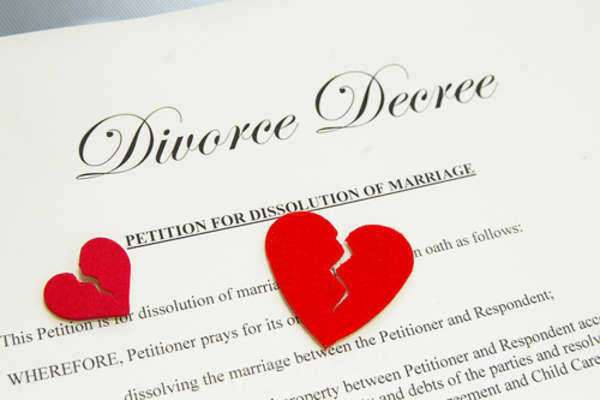
The typical final divorce decree will cover the following issues: property division, visitation rights, child support payments, alimony, custody.
To obtain a final divorce decree, a divorcee must contact their local courthouse to activate the building's archives.
In most situations--if the divorce decree is not obtained through a database or archive--the presiding attorney or court clerk will mail a copy of the final divorce decree to the requesting party.