File for Divorce in North Carolina
📅 2026 Update: Key Changes in North Carolina Divorce Laws
Since the original article was published, several updates have taken place regarding divorce laws that may impact residents in North Carolina. These changes include new eligibility rules, processing timelines, and available services. The earlier article continues further down the page for more detailed information.
⚖️ Recent Changes in Divorce Laws
Recent years have seen various updates in divorce laws across different states. While North Carolina has not had major changes since the original article, some nearby states have made significant adjustments, such as Missouri clarifying that pregnancy does not prevent divorce proceedings. This can affect couples considering divorce in North Carolina, as many individuals often look to neighboring states for legal guidance.
💰 Current Fees and Costs
Understanding the costs involved in filing for divorce is important. While the fees in North Carolina have remained consistent, nearby Tennessee offers eight universal divorce forms approved statewide. This can be relevant for North Carolina residents considering Tennessee for their divorce.
📝 Forms and Steps
The process for filing a divorce includes submitting the necessary forms. In Mississippi, the filing spouse must submit a complaint form listing both parties' names and addresses. This highlights the importance of having the correct forms ready for a successful filing in North Carolina as well.
⏳ Processing Times
Processing times can vary by state but are crucial to know. In Missouri, there is a mandatory 30-day waiting period after filing a divorce petition before a court can finalize the dissolution. Residents of North Carolina should be aware of similar timelines when filing for divorce.
📌 Key Points Summary
- Recent changes in surrounding states may impact divorce considerations in North Carolina.
- Costs for divorce remain consistent, but neighboring states like Tennessee offer additional resources.
- Proper forms are essential for the filing process; know what is required.
- Be mindful of waiting periods that can affect the timeline of finalization.
💡 Tips for Filing for Divorce in North Carolina
Reviewing your individual situation with an attorney is essential to ensure you understand your options.
📝 Understand State Laws
Familiarize yourself with North Carolina's divorce laws, including the grounds for divorce, which can help you decide your approach.
📅 Know the Waiting Period
Be aware of any waiting periods that may apply after filing your petition. Understanding this will help you plan accordingly.
📄 Prepare Required Documentation
Gather all necessary documentation before filing. This includes financial records and any agreements regarding child custody or support.
💸 Budget for Costs
Consider all potential costs in your divorce process. This includes court fees, possible attorney fees, and other expenses that may arise.
🤝 Explore Support Services
Look into available support services, such as local nonprofit organizations, that may provide free assistance during the divorce process.
🏆 Divorce Services Ranked by User Reviews (2026)
This section covers popular services that assist with divorce paperwork and processes. Their rankings are based on Trustpilot data as of October 2026. Scores can change as more reviews are submitted, and star ratings reflect customer experiences.
It’s important to note that unhappy customers often leave more reviews, which can skew perceptions.
🥇 1. DivorceWriter
DivorceWriter has been rated 4.3. It is known for providing online divorce document preparation, specifically tailored to various state requirements. Users appreciate the ease of access to state-specific divorce forms.
However, it may not be suitable for contested or complex divorces, as users are responsible for printing, filing, and notarization.
🥈 2. 3StepDivorce
3StepDivorce holds a Trustpilot score of 2.4. This service offers online divorce document preparation for all 50 states, making it widely accessible. Reviewers mention the convenience of the service, but many express dissatisfaction with customer service and difficulties in contacting support.
🥉 3. OnlineDivorce.com
OnlineDivorce.com has a rating of 4.0. It is recognized for its state-specific divorce document preparation services. However, some users have reported unexpected extra costs and upselling of premium features, which can affect overall satisfaction.
🆓 Free Government and Nonprofit Help
While specific free options are not detailed for North Carolina, residents might find local nonprofit organizations that offer help during the divorce process. It's advisable to search for these resources in your area for assistance.
🔎 What to Compare When Choosing a Divorce Service
- 🏷️ Trustpilot scores to gauge overall user satisfaction.
- 📋 Service offerings and whether they suit your specific needs.
- 💲 Cost structure to avoid unexpected expenses.
- 📞 Customer support availability for assistance during the process.
- 📄 Form availability to ensure you have what you need for your state.
❓ Frequently Asked Questions
❓ What are the grounds for divorce in North Carolina?
In North Carolina, grounds for divorce can be either fault-based or no-fault. The most common no-fault ground is living separately for one year.
🏠 How does child custody work in divorce cases?
Child custody arrangements in North Carolina can be determined through mutual agreement or by the court. The best interest of the child is the primary factor considered.
💼 Can I file for divorce without a lawyer?
Yes, individuals can file for divorce without an attorney in North Carolina. However, having legal guidance can help navigate the complexities of the process.
📅 What is the waiting period after filing for divorce?
North Carolina does not have a mandatory waiting period after filing for divorce, but you must meet the residency requirement of living apart for one year.
🔍 How do I divide property during a divorce?
North Carolina follows equitable distribution principles, meaning marital property is divided fairly, though not necessarily equally, based on various factors.
📜 Are there any resources for free legal help?
Yes, several nonprofits and legal aid organizations may offer free or low-cost legal assistance for individuals going through divorce. It is advisable to search for these resources in your area.
⚖️ Recent Court Rulings and Their Relevance to Divorce Cases
Recent court rulings may influence divorce proceedings, especially regarding child custody, alimony, and property division. These decisions can set precedents that affect how cases are handled in North Carolina.
- Hawaii court rules on divorce case involving property disputesHawaii Intermediate Court of Appeals · September 22, 2026
- Florida court upholds paternity ruling amid citation issuesDistrict Court of Appeal of Florida · September 23, 2026
- Arkansas court affirms divorce ruling in Taggarse caseCourt of Appeals of Arkansas · September 23, 2026
- Florida court rules on divorce property settlement disputeDistrict Court of Appeal of Florida · September 23, 2026
For those interested in further developments, explore more rulings on the news page.
End of October 2026 Update
How to File for Divorce in North Carolina
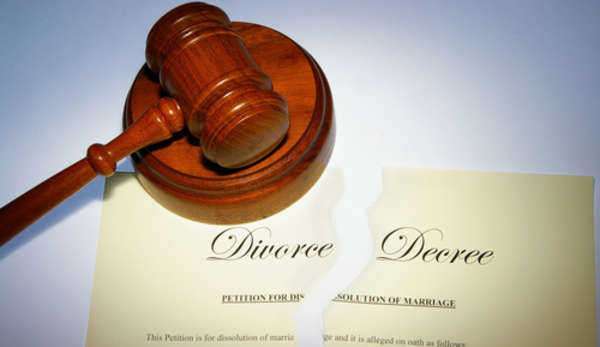
Before filing for divorce, it is good to look at the divorce procedures available in your state. North Carolina's divorce laws are slightly different than most states, particularly in terms of eligibility, so it is important to know who can file for divorce in North Carolina. This guide will give you step-by-step instructions so that you know how the filing process works.
1. Verify Your Eligibility
In order to file for divorce in North Carolina, you will need to meet both a residency requirement and a separation requirement. Either you or your spouse will need to have resided in the state for at least 6 months, and you will should have lived separate and apart from your spouse for at least 1 year. Living in separate bedrooms in the same house does not count if you file for divorce in North Carolina—your separation must be in different residences.
You can file for divorce in either the county where you live or where your spouse lives.
2. Fill Out Divorce Forms
Before you can file for divorce in North Carolina, you will need to complete divorce forms. These forms can generally be obtained for free at the courthouse where you intend to file the divorce. You will need to answer some demographic and personal questions about you, your spouse, the date and location of your wedding, and your children.
You will also need to specify the grounds for your divorce. Divorce in North Carolina is almost always based on the no-fault ground of separation for a year (the only fault grounds that can be alleged are insanity or mental illness). You will then ask the court for specific relief measures when you file for divorce in North Carolina. Relief can take many forms, including child support, alimony, custody, or a fair division of property in the divorce.
3. File the Forms
After you have filled out the forms, you can file for divorce in North Carolina. You will need to take the forms to the courthouse in the county where you live or where your spouse lives, and give the forms to the clerk of the court. You will need to pay a filing fee, but there are fee waivers available for spouses who cannot afford the normal filing fees to file for divorce in North Carolina. The clerk will stamp, date, and file your divorce papers and give you more information about the next steps in the divorce process.
4. Serve Your Spouse
After you file for divorce in North Carolina, you will have to notify your spouse officially that divorce proceedings are beginning. This is typically done either by sending certified mail to your spouse or by paying the sheriff's office or a private process server to give your spouse the paperwork at his or her workplace or home.
Your spouse will be notified of his or her right to respond to the divorce petition, and you will need to wait for the response. If a response is not received in time, you will be entitled to a divorce by default, which usually means you will get whatever you asked for in the initial petition.